Steady State Health · Portland, Maine
Orthopelvic Physical Therapy in Portland, Maine
Hip, low back and pelvic symptoms, assessed and treated together.
Steady State Health · Portland, Maine
Hip, low back and pelvic symptoms, assessed and treated together.
The pelvic floor does not work alone. It shares load, breath and bracing with the hips, the low back and the deep abdominals, so a problem in one place reliably shows up in another. That is why a hip that will not loosen no matter how much you stretch it, or low back pain that flares with impact, can turn out to be a pelvic floor problem - and why a course of orthopedic rehab that should have worked sometimes stalls.
Most clinics make you choose a lane. You see an orthopedic PT for the hip, or a pelvic floor PT for the pelvic symptoms, and if the two are connected you end up repeating your story to a second therapist months later. Orthopelvic physical therapy treats both at once.

Hip, low back and pelvic symptoms overlap more than most people expect, and the wrong starting point costs months. Find your symptoms below.
Best when your symptoms are purely pelvic and you have no orthopedic problem alongside them.
Best when the two overlap, or the diagnosis is not settled. One therapist treats both instead of sending you between two.
Best when you have a clear orthopedic diagnosis and no sign of a pelvic floor issue.
Already in orthopedic PT and not improving? That is the most common reason people end up in orthopelvic care - an unaddressed pelvic floor contribution is often what stalls hip and low back rehab.
When the hip and the pelvic floor are treated by two people, each one works around the other. Load gets progressed by one and pulled back by the other, and nobody owns the question of which tissue is actually limiting you. Treating both together means the strength work, the breath and pressure work and the return to running all get built on the same plan.
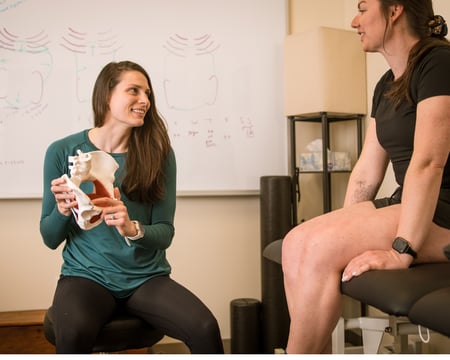
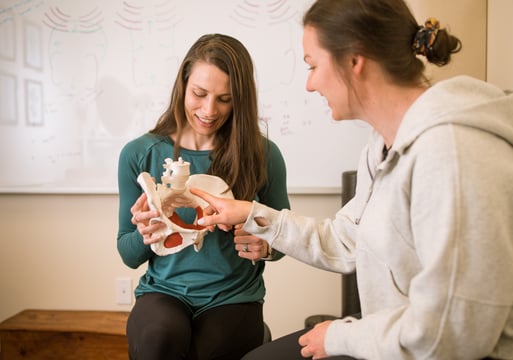
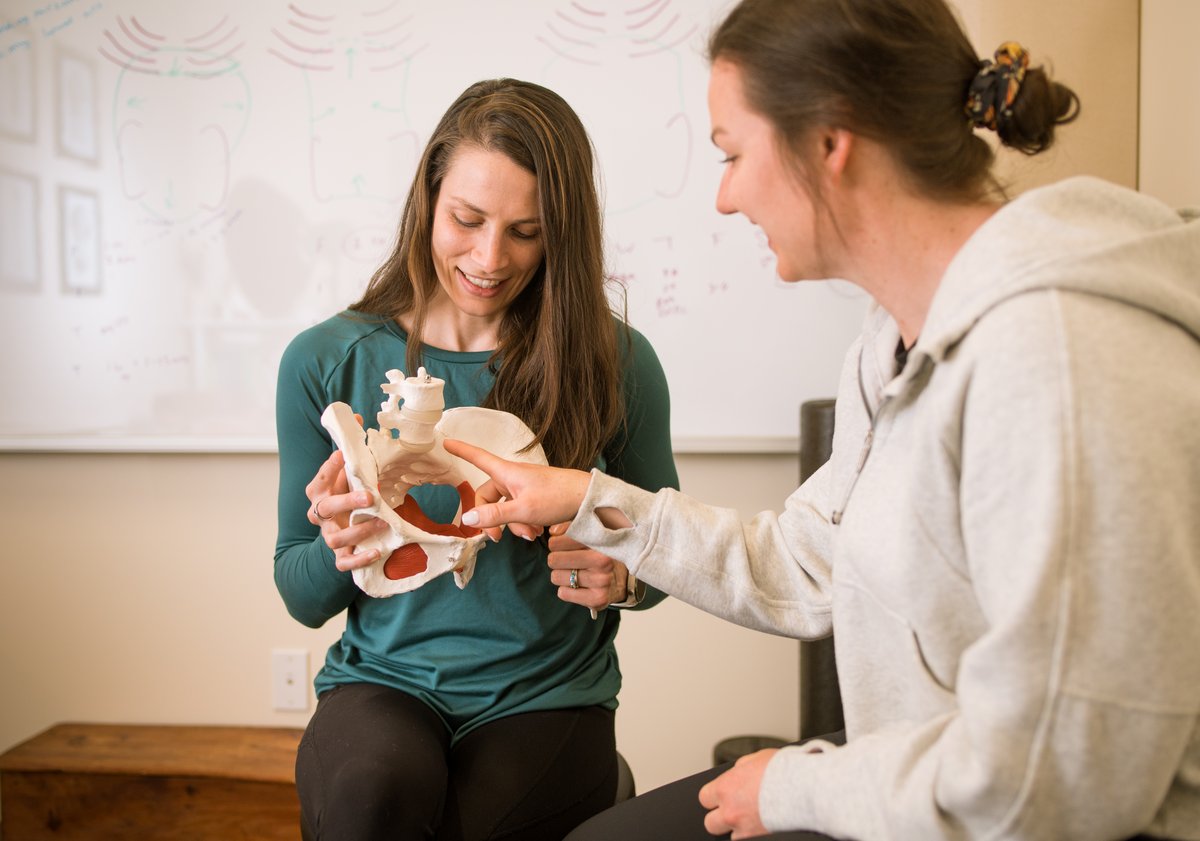
At Steady State our pelvic floor therapists are also orthopedic and running clinicians, so this is not a handoff between two specialists - it is one assessment that covers both.
Next step

Pelvic health concern? Use our pelvic health contact page. You can also contact us here.
From the blog
Free guide
The framework we use with runners to figure out what is actually causing their pain, and what to immediately do about it. 100% free - we just want to help.
Get the free guide