Steady State Health · Portland, Maine
Postpartum Return to Run Program in Portland, Maine
Steady State Health · Portland, Maine
Being cleared to exercise isn’t the same as being ready to run.
Many runners feel lost after their 6-week postpartum appointment. Maybe you're told you're “good to go” - but you still feel weak, leaky, disconnected from your core, or unsure about what’s safe. At Steady State, we help you rebuild strength, restore confidence, and return to running on your terms with a program that’s tailored to your body, goals, and timeline.
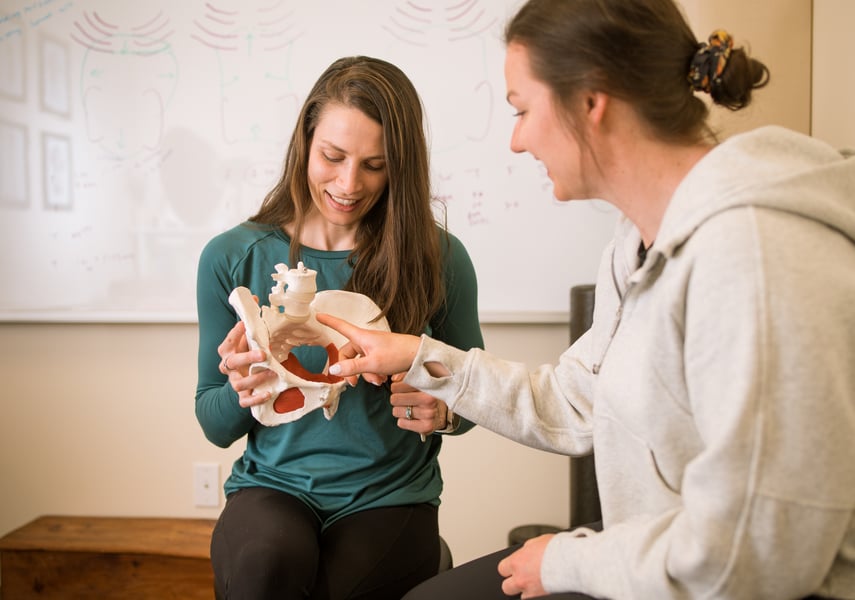
This isn’t just about pelvic floor exercises. It’s about rebuilding your body from the inside out, so you can return to training and feel like yourself again.
At Steady State, our postpartum specialists are also runners and strength athletes who blend:
We combine pelvic health with sports performance, helping you go from daily walks to long runs without skipping the foundation.

“Steady State has quite literally changed my life. For over 5 years I was struggling with pelvic floor dysfunction and never found the right way to manage it- until physical therapy with Steady State. I tried everything there was in those 5 years, even went to a different PT. But Steady State goes above and beyond.
If you are also struggling with pelvic floor dysfunction, you need to go to Steady State. Almost 1 year working with them and I am the strongest I have ever been, I am more comfortable and confident in my body, and I no longer let PFD take over. I cannot recommend this place enough! Oh- and the entire staff are some of the nicest people you will ever meet.”
"I saw Ashten early on in my pregnancy with a goal to remain physically active and fit but do so in a safe way. She gave me a great prenatal workout plan specific to my goals and needs, and in doing so my fears of "working out the wrong way" washed away. She helped me recognize my areas of strengths and weaknesses as well.
Halfway through my second trimester I started to suffer from severe pain in my left hip and had a terrible limp- Ashten was quick to help me and diagnosed me with pelvic girdle pain (something that can occur during pregnancy). She listened to all of my concerns and gave me exercises to help strengthen my core and lower back which were undergoing many changes due to pregnancy. She even taught me how to properly get in and out of bed and move smarter while accomplishing daily tasks.
After a couple of weeks of consistently doing the exercises Ashten gave me, my hip pain went from an 8 to nearly a 2!! And now, at 32 weeks pregnant I can honestly say I feel the best I have so far and am still very active! Ashten is more than a physical therapist, she is a true, devoted friend who wants the absolute best for everyone and won't stop until you get there! Thank you, Ashten!"
"I started seeing Ashten almost 1.5 years ago initially for pelvic floor PT. She was amazing and I noticed differences within a few months.
As we progressed, my running was able to progress and she helped me with strength training, marathon training, and I was able to run a marathon this spring and qualify for Boston. She helped my legs get stronger to prevent old injuries from flaring that has halted marathon training every time I’ve tried to start. I recommend Steady State to anyone!"
Full-body assessment including breathing, core function, pelvic floor, mobility, and running readiness.
Rebuild load tolerance with postpartum-safe lifting and impact prep.
Address leaking, prolapse symptoms, and discomfort without relying on rigid rules or fear-based advice.
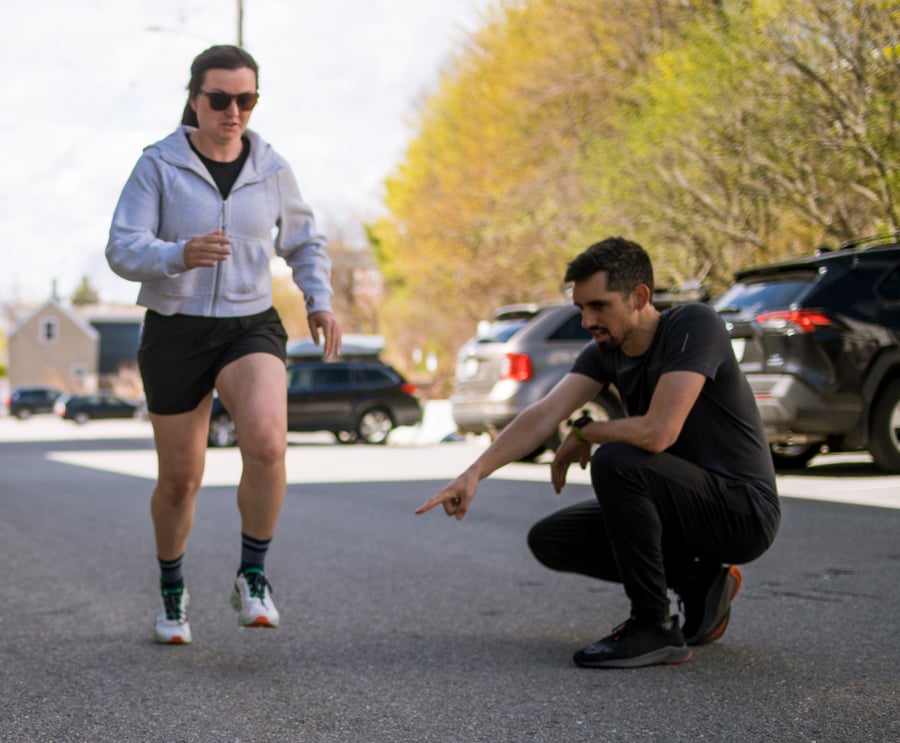
Return-to-run benchmarks, impact strategies, and gait cues to support your stride.
Know what to expect, how to adjust as you go, and when to push or pull back.
For a deeper look at why a coordinated pelvic floor matters - and why strength alone isn’t enough - check out our blog post: Understanding Pelvic Floor Therapy: Beyond Kegels and Postpartum
It depends on the person, the birth, and the recovery - but most runners benefit from a gradual progression over 6 - 16+ weeks. We meet you where you are and adjust based on your timeline, training goals, and symptoms.
We’ve helped postpartum runners return to:

You deserve more than a “just listen to your body” plan. Let’s create a strategy that’s built around your body, goals, and postpartum season.
Not sure what to expect from your first visit? Learn more in our blog post: Your First Pelvic PT Visit at Steady State
Ready to Get Back to Running Symptom-Free?
Serving Postpartum Runners Across Southern Maine. Whether you’re running laps at the Back Cove, pushing a stroller along the Greenbelt Pathway, or rebuilding your base on the treadmill - we support postpartum runners across Portland, South Portland, Scarborough, Falmouth, and the rest of Maine. Virtual options are also available.
Next step
Pelvic health concern? Use our pelvic health contact page. You can also contact us here.
From the blog
Free guide
The framework we use with runners to figure out what is actually causing their pain, and what to immediately do about it. 100% free - we just want to help.
Get the free guide